


What Is Zhuang Brocade? History, Patterns & Cultural Meaning

Textiles can carry more than color and pattern. Across generations, woven fabrics have preserved the traditions, beliefs, and artistic expressions of the communities that created them. In China, traditional brocades are valued not only for their complex weaving techniques but also for the cultural meanings woven into their designs.
While Shu Brocade is closely associated with the silk tradition of Sichuan and Song Brocade is known for its refined patterns and historical elegance, Zhuang Brocade reflects the cultural traditions of the Zhuang people in Guangxi. Its bold geometric motifs, vivid colors, and symbolic designs are closely connected with nature, everyday life, and traditional beliefs.
Table of Contents
- What Is Zhuang Brocade?
- The History of Zhuang Brocade: A Textile Rooted in Guangxi Culture
- How Is Zhuang Brocade Made? The Craft Behind the Patterns
- The Meaning Behind Zhuang Brocade Patterns and Colors
- Zhuang Brocade vs Shu Brocade: Two Expressions of Chinese Textile Heritage
- Why Zhuang Brocade Inspires Modern Fashion Today
- Preserving Zhuang Brocade in Contemporary Culture
- FAQ
- Conclusion
What Is Zhuang Brocade?
Zhuang Brocade, known as “壮锦” in Chinese, is a traditional handwoven textile created by the Zhuang ethnic group in Guangxi Zhuang Autonomous Region of southern China. As one of China’s famous traditional brocade arts, it is recognized for its bright colors, symbolic patterns, and strong connection to Zhuang cultural identity.
Unlike many luxury textiles that were historically created mainly for royal or aristocratic use, Zhuang Brocade developed closely alongside everyday life. It was traditionally used to make practical items such as quilts, clothing decorations, bags, and wedding textiles. Through these objects, generations of Zhuang communities expressed their wishes for happiness, prosperity, harmony, and good fortune.
The beauty of Zhuang Brocade comes not only from its appearance but also from the stories woven into every design. Patterns are not random decorations; they often represent elements from nature, traditional beliefs, and local cultural symbols. Flowers, animals, geometric shapes, and natural landscapes all reflect the worldview of the Zhuang people.
Today, Zhuang Brocade is considered an important example of China’s ethnic textile heritage. It represents how traditional craftsmanship can preserve cultural memories while continuing to inspire modern designers.
The History of Zhuang Brocade: A Textile Rooted in Guangxi Culture
The history of Zhuang Brocade is closely connected with the cultural development of Zhuang communities in Guangxi. Historical accounts trace the tradition back to the Han Dynasty, and weaving skills continued to develop through generations of Zhuang artisans. Over time, the textile became closely connected with both everyday life and important cultural occasions.

From Traditional Communities to Cultural Heritage
In traditional Zhuang communities, weaving was an important practical and creative skill. Handwoven textiles could be used in household life, clothing, weddings, festivals, and as meaningful gifts. Patterns were not simply decorative; many reflected wishes for prosperity, protection, happiness, and harmony with nature.
Unlike textiles produced primarily for display, Zhuang Brocade developed as part of community life. A woven textile could serve a practical purpose while also expressing the identity, beliefs, and artistic traditions of the people who made it. This close connection between craftsmanship and daily life helped the tradition pass from one generation to the next.
The development of Zhuang Brocade also reflects the skill of individual artisans. Complex motifs were created through the careful arrangement and interlacing of threads during weaving rather than being printed onto a finished fabric. The process required patience, precision, and a strong understanding of traditional pattern structures.
Recognition as Chinese Intangible Cultural Heritage
Zhuang Brocade weaving received formal recognition as part of China's national intangible cultural heritage in 2006, when the Zhuang Brocade Weaving Technique was included in the first batch of the National Intangible Cultural Heritage Representative List. This recognition highlighted the historical, artistic, and cultural value of the craft.
Today, Zhuang Brocade continues to evolve in Guangxi. Artisans and designers are finding new ways to apply traditional patterns and weaving techniques to contemporary textiles, clothing, accessories, and handicrafts while maintaining their connection to the original craft tradition.
How Is Zhuang Brocade Made? The Craft Behind the Patterns
Creating Zhuang Brocade is a highly structured and labor-intensive process that reflects both technical precision and cultural knowledge passed down through generations. Unlike printed fabrics, where patterns are applied after weaving, Zhuang Brocade is formed entirely during the weaving process itself, meaning every motif, color transition, and geometric structure is built directly into the textile. A key distinction lies in its material structure: unlike Shu Brocade, which uses mulberry silk for a smooth and refined finish, Zhuang Brocade combines cotton and silk, with cotton providing strength in the warp threads and silk forming the colorful weft patterns. This combination creates a thicker, more durable fabric that has traditionally been suitable for both everyday use and ceremonial purposes in Zhuang communities.

Preparing Colorful Threads
The process begins with thread preparation, a foundational step that determines both structure and visual quality. Cotton threads are selected and stretched to form a stable base, while silk threads are dyed in advance using traditional methods.
Color is not merely decorative but deeply symbolic. Zhuang artisans traditionally favor strong, high-contrast palettes rather than soft tonal gradients. Red, yellow, blue, green, and black are commonly used, each associated with meanings such as prosperity, vitality, protection, and celebration. Historically, dyes were often derived from natural sources like plants, roots, and minerals, reflecting local ecological knowledge and craftsmanship.
This stage ensures that every thread already carries both functional and cultural significance before entering the loom.
Creating Patterns Through Traditional Loom Weaving
The distinctive patterns of Zhuang Brocade are formed directly on the loom through the interlacing of warp and weft threads. Skilled weavers carefully control the placement of colored threads to build repeating geometric structures and symbolic motifs.
Diamonds, waves, stylized plants, animals, and other natural forms may appear as part of the pattern system. Rather than relying simply on printed images, the weaver builds the design into the textile itself, requiring careful coordination of hand, eye, thread tension, and pattern structure.
This process is time-consuming and highly dependent on the skill of the artisan. Small differences in tension, spacing, or color placement can naturally occur in handwoven textiles. Such variations are part of the character of handmade Zhuang Brocade rather than defects.
The Meaning Behind Zhuang Brocade Patterns and Colors
One of the most fascinating aspects of Zhuang Brocade is the cultural meaning hidden within its patterns. For the Zhuang people, textiles are not only decorative objects but also visual expressions of beliefs, traditions, and relationships with the natural world.
Symbols Inspired by Nature and Life
Many Zhuang Brocade patterns are inspired by elements found in nature. Common motifs include geometric patterns, flowers, birds, butterflies, water waves, sun symbols, frog patterns, and mythical creatures.

Geometric designs often create a sense of rhythm and balance, while animal and plant motifs represent different hopes and beliefs. Some patterns express respect for nature, while others symbolize prosperity, fertility, protection, and happiness.
For example, frog motifs are traditionally associated with agricultural life and fertility because frogs are connected with water and farming. Sun-inspired patterns reflect the importance of nature and the cycle of life. These symbols show how closely Zhuang culture is connected with the environment around them.
Colors That Express Cultural Identity
The colors used in Zhuang brocade are another defining feature. Compared with the softer and more elegant tones often associated with some silk traditions, Zhuang Brocade is recognized for its bold and energetic color combinations.
Strong contrasts between colors create a powerful visual impression. These vibrant combinations reflect the optimistic and lively character of Zhuang cultural expression. Each textile becomes a celebration of creativity, identity, and tradition.
Zhuang Brocade vs Shu Brocade: Two Expressions of Chinese Textile Heritage
Although both Zhuang Brocade and Shu Brocade are important Chinese textile traditions, they represent different regional cultures and artistic approaches. Shu Brocade developed in Chengdu, Sichuan, with a long history connected to silk production and sophisticated craftsmanship. Zhuang Brocade, on the other hand, reflects the ethnic traditions and natural symbolism of Guangxi’s Zhuang communities.
| Comparison Dimension | Zhuang Brocade | Shu Brocade |
|---|---|---|
| Origin & Cultural Context | Guangxi; Zhuang cultural tradition | Chengdu, Sichuan; Sichuan silk-weaving tradition |
| Cultural Status | One of China’s Four Famous Brocades | One of China's historic silk brocade traditions |
| Main Materials | Cotton + silk mix | Mulberry silk |
| Pattern Themes | Geometric & ethnic symbols (sun, frog, waves) | Floral, animals, landscapes, auspicious motifs |
| Colors & Style | Bold, high-contrast, rustic | Elegant, refined, luxurious |
| Traditional Uses | Household textiles, clothing, gifts, and ceremonial items | Clothing, decorative textiles, and trade goods |

Both traditions demonstrate the diversity of Chinese textile heritage. While Shu Brocade highlights refined silk artistry, Zhuang Brocade preserves the cultural stories of a community through colors, symbols, and handmade craftsmanship.
Why Zhuang Brocade Inspires Modern Fashion Today
Zhuang Brocade has also found a place in contemporary design because of its distinctive patterns, vivid colors, and woven texture. Repeating geometric forms such as diamonds, waves, and stylized natural motifs can be adapted to modern fashion and accessories while retaining their traditional visual character.
The dense woven structure of many Zhuang Brocade textiles also makes the material visually substantial. When incorporated into accessories, textile panels, or decorative details, its patterns can add texture and a strong cultural identity to otherwise simple designs.
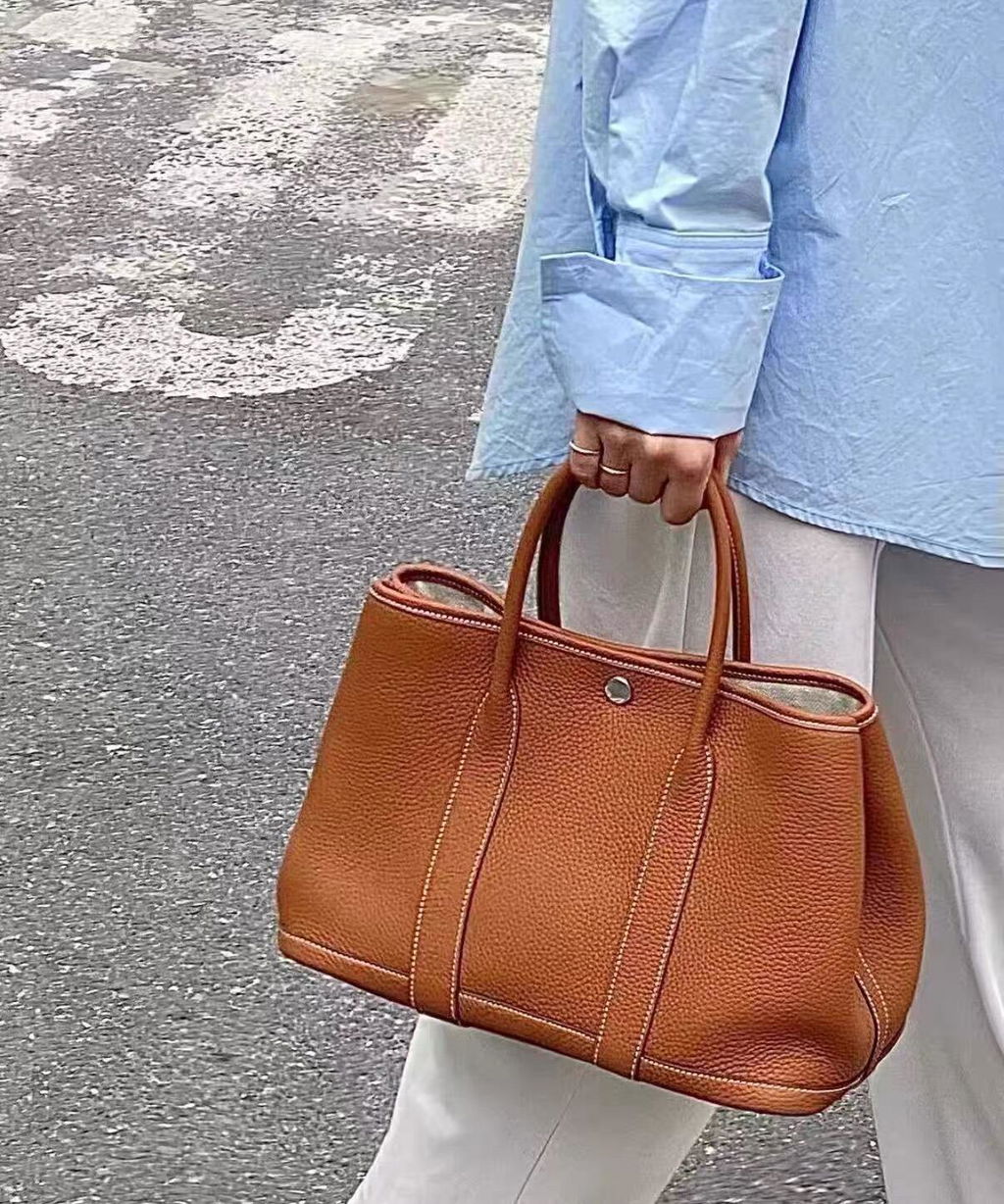
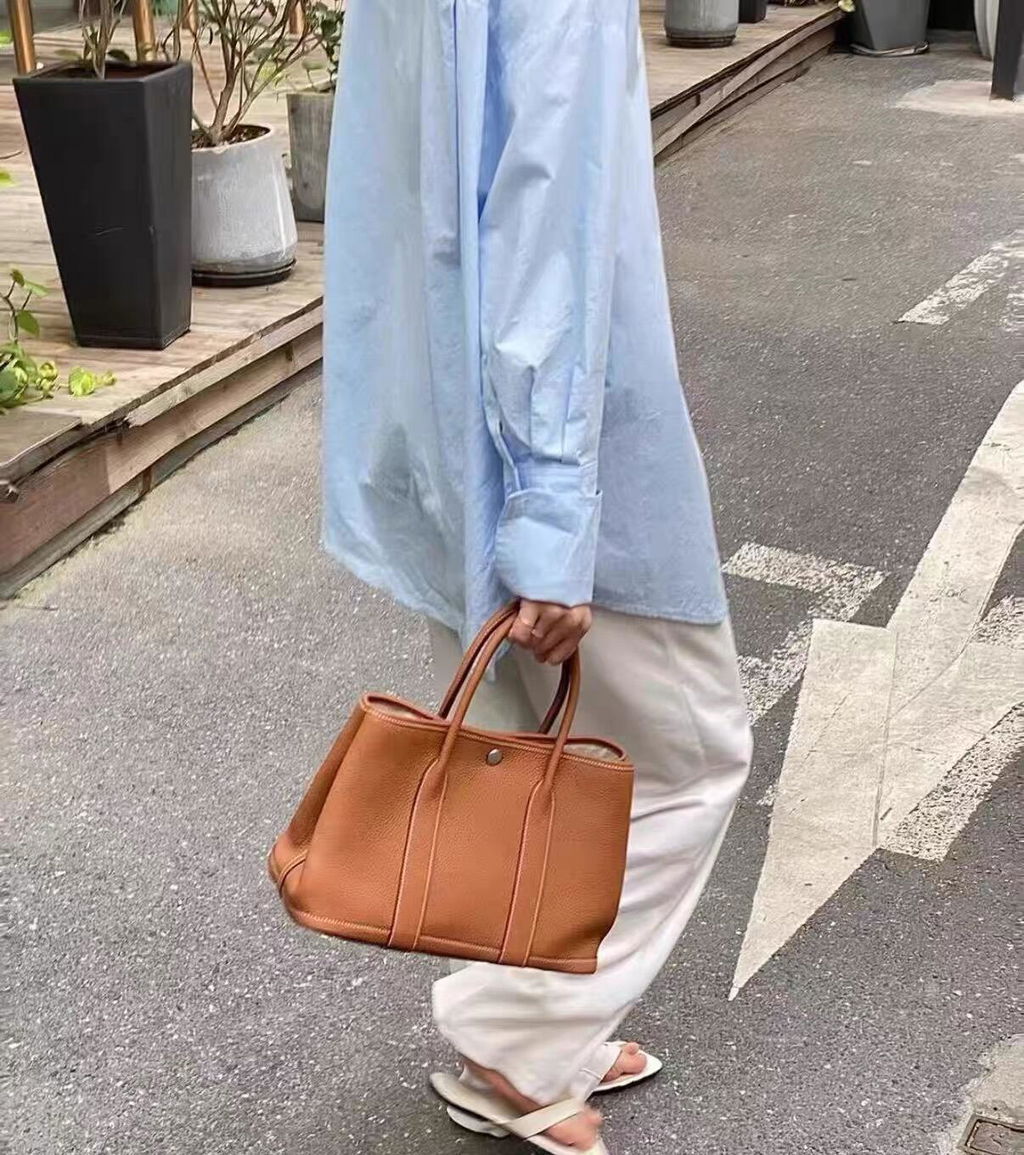
This approach can also be seen in the Dwarves Bags Chinese Style Bags collection, where traditional Chinese textile elements are incorporated into contemporary handbag designs. Rather than reproducing historical garments, modern products can use selected textile patterns and details within practical, everyday silhouettes.

In this way, Zhuang Brocade can move beyond its traditional uses and become part of contemporary fashion and everyday design while retaining its distinctive cultural character.
Preserving Zhuang Brocade in Contemporary Culture
The preservation of Zhuang Brocade depends on both protecting traditional techniques and encouraging new forms of creativity. Museums, cultural exhibitions, artisans, and designers all play important roles in keeping this heritage alive. Today, younger generations are discovering traditional textiles through fashion, art, and cultural projects, which helps bring this craft into modern creative contexts.

At the same time, art schools and vocational programs are teaching Zhuang Brocade through a combination of traditional craftsmanship, modern design, and digital learning resources. This education-driven approach allows the craft to evolve while maintaining its cultural meaning, ensuring that Zhuang Brocade continues to inspire future generations as a living tradition rather than a historical artifact.
FAQ
What does Zhuang Brocade mean?
Zhuang Brocade refers to the traditional woven textile created by the Zhuang ethnic group in Guangxi, China. The word describes both the material itself and the weaving tradition behind it. It represents the cultural identity, artistic creativity, and historical memories of the Zhuang people.
Where did Zhuang Brocade originate?
Zhuang Brocade originated in Guangxi Zhuang Autonomous Region in southern China. It developed within Zhuang communities, where weaving skills were passed down through generations and became an important part of daily life and cultural traditions.
What patterns are commonly found in Zhuang Brocade?
Common Zhuang Brocade patterns include geometric designs, flowers, animals, sun symbols, water wave patterns, and other natural elements. These motifs often represent wishes for happiness, prosperity, harmony, and a close relationship with nature.
Are Zhuang Brocade bags worth buying?
Zhuang Brocade bags can be a meaningful choice for people who appreciate traditional craftsmanship, distinctive textile patterns, and cultural design. Because handwoven textiles can contain slight variations in texture, color, or pattern placement, each piece may have its own character. They combine the visual appeal of traditional Zhuang textile art with the practicality of a modern everyday accessory.
How is Zhuang Brocade different from Shu Brocade?
Zhuang Brocade focuses on ethnic symbolism, natural motifs, and vibrant colors connected with Zhuang culture in Guangxi. Shu Brocade comes from Sichuan and is known for refined silk weaving, elegant patterns, and its historical connection with luxury textiles.
Conclusion
Zhuang Brocade is a distinctive part of China's traditional textile heritage, shaped by the history, creativity, and cultural traditions of Zhuang communities in Guangxi. Its vivid colors, geometric patterns, symbolic motifs, and handweaving techniques give the textile a visual language that is both recognizable and deeply connected to its cultural roots.
As traditional textile crafts continue to enter contemporary design, Zhuang Brocade is finding new applications in fashion, accessories, and everyday products. Its continued development shows how an ancient weaving tradition can remain relevant while preserving the cultural knowledge and craftsmanship passed down through generations.


Leave a comment