


What Is Shu Brocade? The Ancient Chinese Textile Behind Timeless Oriental Elegance

For thousands of years, silk has carried the stories, aesthetics, and craftsmanship of Chinese civilization. Among the many traditional textiles created throughout history, shu brocade stands out as one of the earliest and most influential forms of Chinese brocade. Originating from Sichuan, this remarkable silk art combines delicate weaving techniques, symbolic patterns, and generations of cultural memory.
While Song Brocade is admired for its elegant and refined artistic style, shu brocade represents a more ancient tradition with strong regional characteristics. From royal garments in ancient China to modern fashion inspired by oriental aesthetics, shu brocade continues to show how traditional craftsmanship can remain meaningful in contemporary design.
Table of Contents
- What Is Shu Brocade?
- The History of Shu Brocade: A Silk Tradition Spanning Centuries
- How Is Shu Brocade Made? The Craftsmanship Behind the Fabric
- What Makes Shu Brocade Unique?
- Shu Brocade vs Song Brocade: What Is the Difference?
- Why Shu Brocade Still Inspires Modern Fashion
- Shu Brocade in Chinese Cultural Heritage Today
- FAQ
- Conclusion
What Is Shu Brocade?

Shu brocade is a traditional Chinese silk textile that originated in the Sichuan region, especially around Chengdu, which was historically known as the “City of Brocade.” The word “Shu” refers to the ancient name of Sichuan, while “brocade” describes a richly decorated woven fabric featuring colorful patterns created through complex weaving techniques.
Unlike ordinary printed fabrics, shu brocade patterns are formed directly during the weaving process. Skilled artisans use carefully arranged silk threads to create detailed designs, allowing colors, textures, and motifs to become part of the fabric itself.
Shu brocade is considered one of the earliest known brocade traditions in China and has played an important role in the development of Chinese textile culture. It reflects not only advanced weaving skills but also the artistic values of different historical periods, including ideas of harmony, prosperity, nature, and social identity.
For centuries, shu brocade was valued as a luxury textile used for clothing, decorations, gifts, and ceremonial purposes. Its beauty and craftsmanship made it an important cultural symbol of Sichuan and a significant part of China’s silk heritage.
The History of Shu Brocade: A Silk Tradition Spanning Centuries
The history of shu brocade can be traced back more than two thousand years. Sichuan’s fertile environment provided ideal conditions for silk production, and the region gradually became one of China’s important centers for silk weaving.
During the Han Dynasty, shu brocade gained recognition as a valuable textile. Chengdu became a major production center, and the industry developed alongside increasing trade connections. Because of its high quality and artistic value, shu brocade was often used as a diplomatic gift and luxury product.
As trade expanded through routes connected with the Silk Road, shu brocade reached regions beyond Sichuan. Its colorful patterns and sophisticated weaving methods contributed to the exchange of textile techniques between China and other cultures.
| Historical Period | Development of Shu Brocade |
|---|---|
| Pre-Qin Period (before 221 BC) | Early silk weaving techniques emerged in Sichuan, providing important foundations for later textile traditions in the region. |
| Han–Tang Dynasties | Shu brocade became a mature and influential tradition. Chengdu grew into the “City of Brocade,” and the craft reached its peak, widely traded along the Silk Road. |
| Song Dynasty | Designs became more refined and elegant, influenced by literati culture and painting aesthetics. |
| Ming–Qing Dynasties | Craftsmanship became highly refined, with increased use of gold and silver threads and wider commercial distribution across Asia and Europe. |
| Modern Era | Traditional techniques are preserved as intangible cultural heritage and revived through museums, workshops, and contemporary design. |
Throughout history, shu brocade evolved while maintaining its connection with traditional Chinese aesthetics. Many patterns were inspired by nature, including flowers, birds, clouds, and flowing landscapes, transforming fabric into a visual expression of cultural beliefs.
Today, shu brocade is recognized as an important part of China’s intangible cultural heritage. Museums, craftsmen, and cultural organizations continue working to preserve traditional weaving techniques while introducing this ancient art to new audiences.
How Is Shu Brocade Made? The Craftsmanship Behind the Fabric

Creating shu brocade requires patience, precision, and advanced weaving skills. Unlike modern mass-produced textiles, it is made through a highly structured process that combines silk preparation, dyeing, and intricate weaving. Its stability comes from a carefully balanced warp and weft structure, which allows detailed patterns to remain clear and durable.
Step 1: Silk Preparation and Dyeing
The process begins with selecting fine silk threads. These threads are dyed in advance using carefully chosen colors to ensure harmony in the final design. Traditional shu brocade often features rich tones such as red, gold, blue, and green, which symbolize prosperity, nature, and happiness in Chinese culture. This preparation helps create a fabric that is both visually vibrant and balanced in tone.
Step 2: Complex Weaving Techniques and Patterns
Shu brocade patterns are formed directly during weaving rather than being printed or embroidered afterward. Artisans control the arrangement of colored threads to build detailed motifs with strong visual structure and depth.

It is generally divided into two main types: warp-faced brocade and weft-faced brocade. Warp-faced brocade uses colored warp threads to form patterns, while weft-faced brocade relies on weft threads. The warp-faced technique is especially distinctive to shu brocade and represents one of its key technical achievements.
Because of this complexity, weaving requires managing a large number of threads with high precision. The result is a fabric with clear motifs, rich layering, and a strong sense of visual harmony, reflecting both technical mastery and cultural expression.
What Makes Shu Brocade Unique?
Among China’s many traditional textiles, shu brocade has several characteristics that make it distinctive.
First, it carries a strong connection to Sichuan culture. The patterns, colors, and artistic expressions often reflect the natural environment and historical identity of the region.
Second, shu brocade is known for its rich colors and dynamic designs. Compared with some other Chinese textiles that emphasize simplicity and elegance, shu brocade often presents a more vivid and expressive visual style.
Symbolism Behind Shu Brocade Patterns
Traditional shu brocade patterns are more than decorative elements. Many designs contain cultural meanings passed down through generations.
Common motifs include:
-
Flowers representing beauty and prosperity
-
Birds symbolizing harmony and happiness
-
Clouds representing good fortune
-
Natural landscapes expressing balance between humans and nature
These symbolic patterns transform shu brocade from a simple textile into a cultural language. Every woven detail carries historical memories and traditional values.
Shu Brocade vs Song Brocade: What Is the Difference?
Both shu brocade and Song Brocade are important examples of Chinese textile heritage, but they developed in different regions and represent different artistic styles.
While shu brocade originated in Sichuan and has roots reaching back to early Chinese history, Song Brocade became especially famous during the Song Dynasty for its elegant designs influenced by painting, literature, and scholar culture.
| Feature | Shu Brocade | Song Brocade |
|---|---|---|
| Origin | Sichuan region, especially Chengdu | Originated in Suzhou and the Jiangnan region |
| Historical Development | One of China’s earliest and most celebrated brocade traditions | Flourished during the Song Dynasty |
| Artistic Style | Colorful, lively, and decorative | Elegant, balanced, and refined |
| Common Themes | Flowers, birds, animals, auspicious motifs, and decorative patterns | Floral motifs, geometric designs, auspicious symbols, and literati-inspired aesthetics |
| Cultural Character | Reflects Sichuan craftsmanship and vibrant regional culture | Reflects Jiangnan elegance and scholarly aesthetic taste |

Although they have different characteristics, both shu brocade and Song Brocade demonstrate the creativity of Chinese textile craftsmanship. Together, they represent different expressions of Chinese aesthetics.
For readers interested in learning more about another important Chinese textile tradition, explore our previous article: What Is Song Brocade?
Why Shu Brocade Still Inspires Modern Fashion
Traditional textiles continue influencing modern designers because they offer something beyond appearance: cultural meaning.
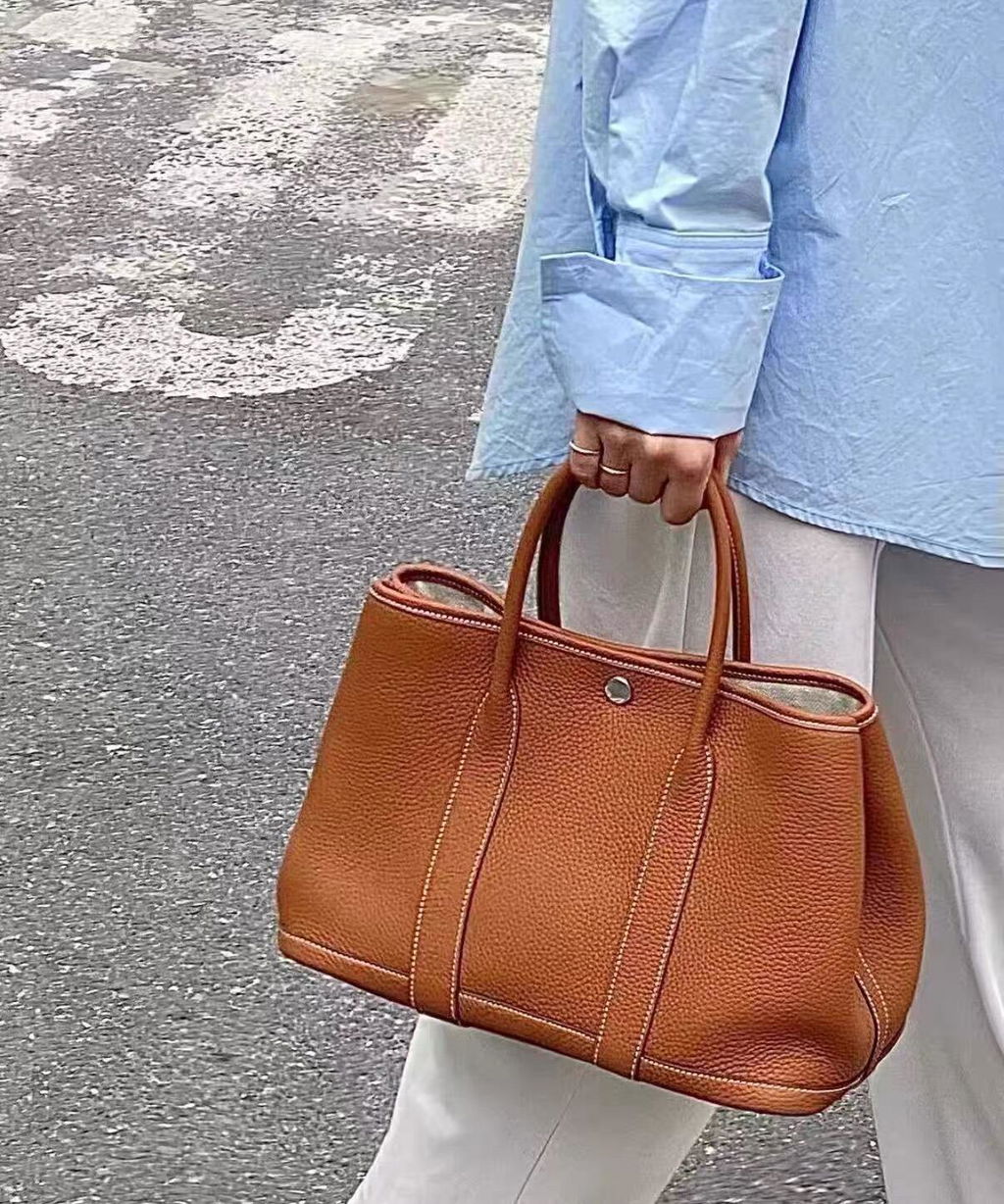
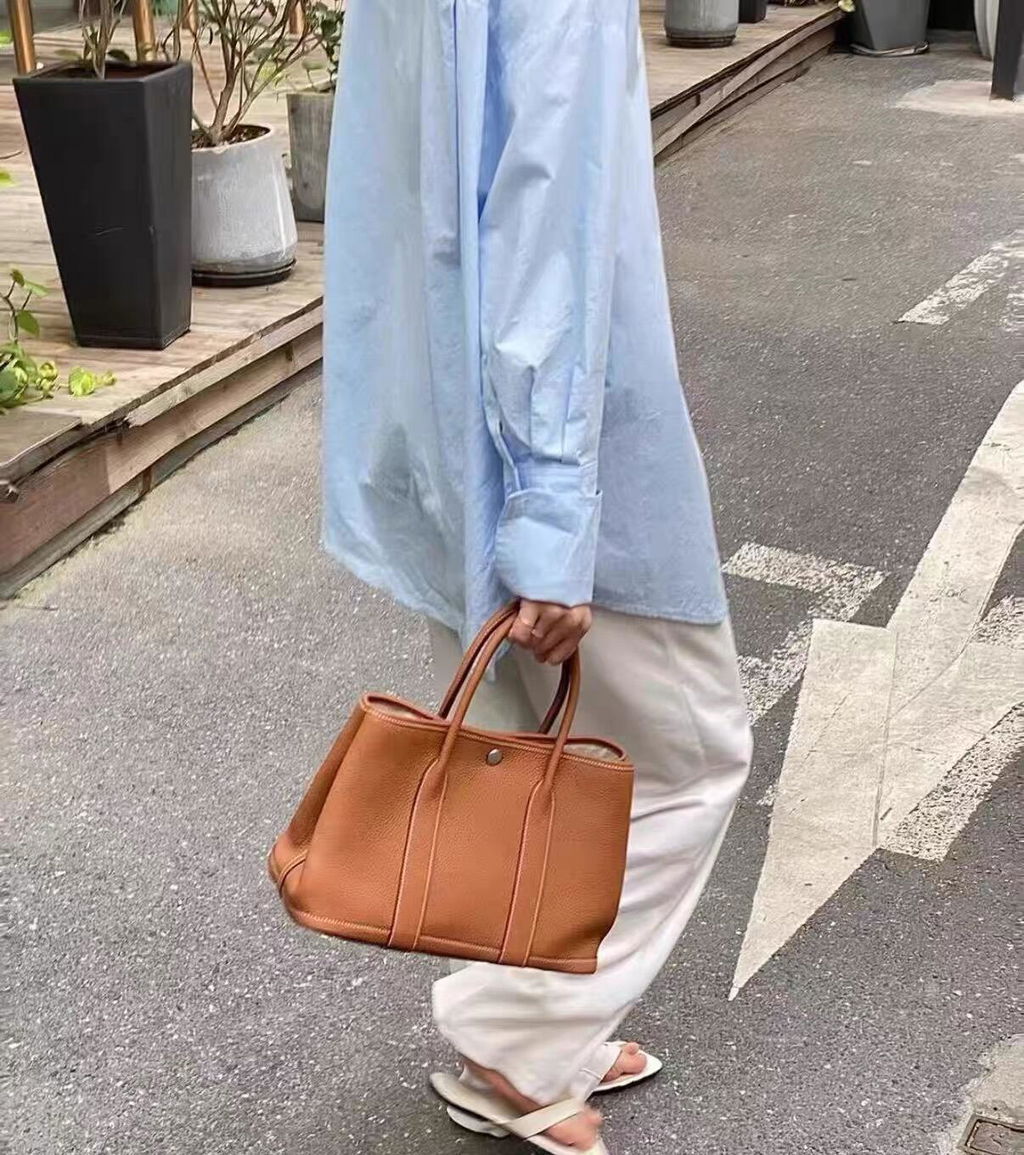
Today, designers are exploring ways to combine ancient craftsmanship with contemporary lifestyles. Shu brocade patterns can inspire handbags, accessories, clothing, and luxury fashion pieces by bringing traditional Chinese aesthetics into modern designs.
The appeal of shu brocade lies in its balance between heritage and creativity. Instead of simply recreating historical patterns, modern interpretations often focus on adapting traditional elements into practical and elegant products.
For example, oriental-inspired accessories can incorporate elements such as traditional motifs, textured fabrics, and symbolic colors while maintaining a modern silhouette.
Dwarves Bags embraces this connection between traditional Chinese aesthetics and contemporary craftsmanship through its Chinese Style Bags collection, combining oriental cultural inspiration with carefully designed handbag styles. These designs reflect the beauty of Chinese heritage while fitting naturally into modern fashion.

Shu Brocade in Chinese Cultural Heritage Today
Today, shu brocade continues to represent the creativity and craftsmanship of Sichuan’s textile heritage. While traditional weaving techniques have been preserved by skilled artisans, cultural institutions also play an important role in documenting its history and introducing this ancient craft to a wider audience. The Shu Brocade Museum in Chengdu focuses on showcasing the development of shu brocade, including traditional looms, weaving techniques, and historical textile works, allowing visitors to better understand the complexity behind each piece.
The Sichuan Museum also provides valuable insight into shu brocade as part of China’s broader textile history. Through its online presentation “Shu Brocade: The Earliest Brocade in China” on Google Arts & Culture, the museum introduces the origins, craftsmanship, patterns, and cultural significance of this traditional textile, helping international audiences discover the story behind one of China’s earliest brocade traditions.

Beyond museums and exhibitions, shu brocade is finding new ways to connect with modern lifestyles. Designers and creative brands are incorporating traditional patterns, colors, and cultural elements into contemporary products, proving that heritage can continue to evolve while maintaining its original artistic spirit. From historical collections to modern fashion applications, shu brocade remains a meaningful source of inspiration for today’s creative industries.
FAQ
What does shu brocade mean?
Shu brocade refers to a traditional Chinese silk textile originating from Sichuan. “Shu” is the ancient name for the Sichuan region, while “brocade” describes richly patterned woven fabric.
Where did shu brocade originate?
Shu brocade originated in Sichuan, China, with Chengdu becoming one of the most important centers for production throughout history.
Is shu brocade still made today?
Yes. Traditional artisans continue producing shu brocade today, and cultural organizations work to preserve its weaving techniques as part of China’s textile heritage.
Can shu brocade be used for handbags?
Yes, shu brocade-inspired textiles are increasingly used in modern fashion accessories, including handbags, because their detailed woven patterns add cultural depth and visual texture.
How is shu brocade different from Song Brocade?
Shu brocade has earlier historical roots and is known for its colorful and dynamic Sichuan style, while Song Brocade is recognized for its elegant designs influenced by Song Dynasty art and literature.
Conclusion
Shu brocade is more than an ancient silk textile; it is a record of Chinese history, craftsmanship, and artistic imagination. From the workshops of ancient Sichuan to modern fashion design, this traditional weaving art continues to inspire people with its colors, patterns, and cultural stories.
By connecting traditional craftsmanship with contemporary creativity, shu brocade shows that heritage can remain timeless. Its influence continues to appear in modern design, reminding us that the beauty of the past can still shape the future.


Leave a comment