


What Is Vegetable Tanned Leather? The Natural Leather Behind Timeless Handmade Bags

When people talk about premium leather goods, vegetable tanned leather is often mentioned as one of the most traditional and admired types of leather. Known for its natural appearance, firm structure, and ability to develop a unique patina over time, vegetable tanned leather has been used for centuries by skilled leather artisans around the world.
But what exactly is vegetable tanned leather? How is it different from other types of leather, and why do many craftsmen choose it for handmade bags, wallets, and accessories?
This guide explains everything you need to know about vegetable tanned leather — from its tanning process and characteristics to its advantages, limitations, and care requirements.
Table of Contents
- What Is Vegetable Tanned Leather?
- How Is Vegetable Tanned Leather Made?
- Why Is Vegetable Tanned Leather Special?
- Vegetable Tanned vs Chrome Tanned Leather
- Why Is Vegetable Tanned Leather Used for Premium Bags?
- What Are the Disadvantages of Vegetable Tanned Leather?
- How to Care for Vegetable Tanned Leather Bags
- Is Vegetable Tanned Leather Worth the Price?
- FAQ
What Is Vegetable Tanned Leather?
Vegetable tanned leather is leather that has been processed using natural tannins extracted from plants, such as tree bark, leaves, and other botanical materials.
The word “vegetable” refers to the source of the tannins used during the tanning process. These plant-based compounds bind with the collagen fibers in animal hides, transforming raw hides into durable leather that can be used for products such as bags, belts, shoes, and accessories.
Unlike chrome tanning, which uses chromium salts to speed up the tanning process, vegetable tanning follows a slower and more traditional approach. This method allows the natural characteristics of the hide to remain visible, including variations in texture, grain, and color.
How Is Vegetable Tanned Leather Made?
The creation of vegetable tanned leather is a slow and detailed process that combines traditional craftsmanship with natural materials. Unlike modern mass production, which often focuses on speed, vegetable tanning relies on time, repeated treatment, and careful control at every stage. This is one of the main reasons the final leather feels more natural and develops such a distinctive character over time.

1. Preparing the Raw Hide
The process begins with animal hides, which are cleaned and prepared by removing unwanted materials. The hides are then soaked and treated to make them suitable for tanning.
2. Using Plant-Based Tannins
Once the hides are prepared, they are placed into tanning solutions made from natural plant materials. Instead of chromium salts or other synthetic chemicals used in faster tanning methods, vegetable tanned leather relies on tannins extracted from plants.
Common natural sources include:
- Oak bark
- Chestnut wood
- Mimosa bark
- Quebracho
- Other tannin-rich roots, leaves, and bark
These tannins slowly penetrate the hide and bind with the leather’s proteins, helping preserve the material and create its firm yet flexible feel.
Because the tannins come from natural sources, the leather keeps a more organic look, with subtle variations in tone and texture that make each piece unique.
3. A Slow Traditional Tanning Process
Vegetable tanning takes time. Depending on the hide thickness and tannin strength, the process may last several weeks.
During this period, the hides are slowly immersed in tanning pits or drums with gradually stronger tannin solutions. This careful absorption helps the leather keep its natural structure while becoming stable and durable.
This slow process is what gives vegetable tanned leather its strength, character, and ability to age beautifully.
4. Drying, Conditioning, and Finishing
After tanning, the leather is dried and conditioned. Artisans may also stretch, soften, or oil it depending on the final product.
The surface can be left natural to develop a patina over time, or lightly polished, dyed, or waxed for added appearance and durability.
Why Is Vegetable Tanned Leather Special?
Many leather materials can look attractive when new, but vegetable tanned leather has qualities that become more noticeable with time.
1. Develops a Unique Patina Over Time
One of the most valued qualities of vegetable tanned leather is its ability to develop a patina. As the leather is exposed to sunlight, oils from your hands, and everyday use, its color gradually changes and becomes richer. Small marks and variations become part of the story of the item rather than imperfections.

This means every vegetable tanned leather product can become more personal and unique over time.
2. It Offers Excellent Structure and Durability
Vegetable tanned leather is known for its firmness and ability to maintain shape.
This makes it especially suitable for products where structure is important, such as:
- Leather bags
- Briefcases
- Wallets
- Belts
- Handmade accessories
With proper care, high-quality vegetable tanned leather products can last for many years.
3. Natural and Environmentally Conscious Choice
Compared with many conventional tanning methods, vegetable tanning relies on renewable plant-based tannins and generally uses fewer synthetic chemicals.
Although all leather production has environmental considerations, vegetable tanned leather is often preferred by consumers who value traditional craftsmanship and more natural production methods.
Vegetable Tanned Leather vs Chrome Tanned Leather
Vegetable tanning and chrome tanning are the two most common leather tanning methods. Both have their own advantages and are suitable for different applications.

| Feature | Vegetable Tanned Leather | Chrome Tanned Leather |
|---|---|---|
| Tanning Method | Plant-based tannins | Chromium salts |
| Production Time | Slower, often weeks | Faster, usually shorter |
| Appearance | Natural texture and variation | More consistent appearance |
| Patina | Develops a visible patina | Usually maintains original appearance longer |
| Feel | Firm and structured | Softer and more flexible |
| Common Uses | Handmade bags, wallets, belts, premium leather goods | Fashion items, upholstery, footwear, automotive leather |
Neither method is universally better. The ideal choice depends on the intended use, design preference, and desired characteristics.
Why Is Vegetable Tanned Leather Used for Premium Bags?
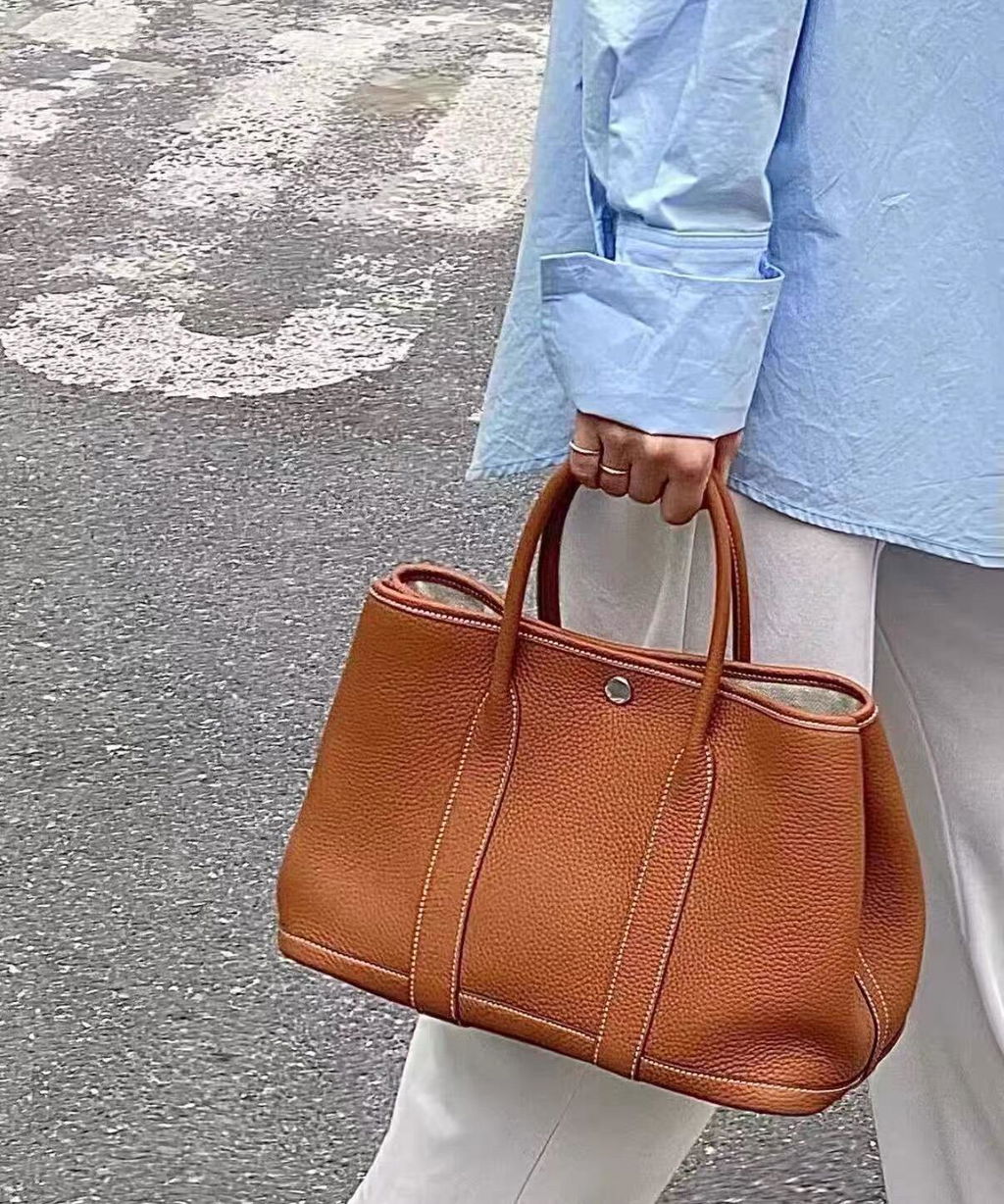
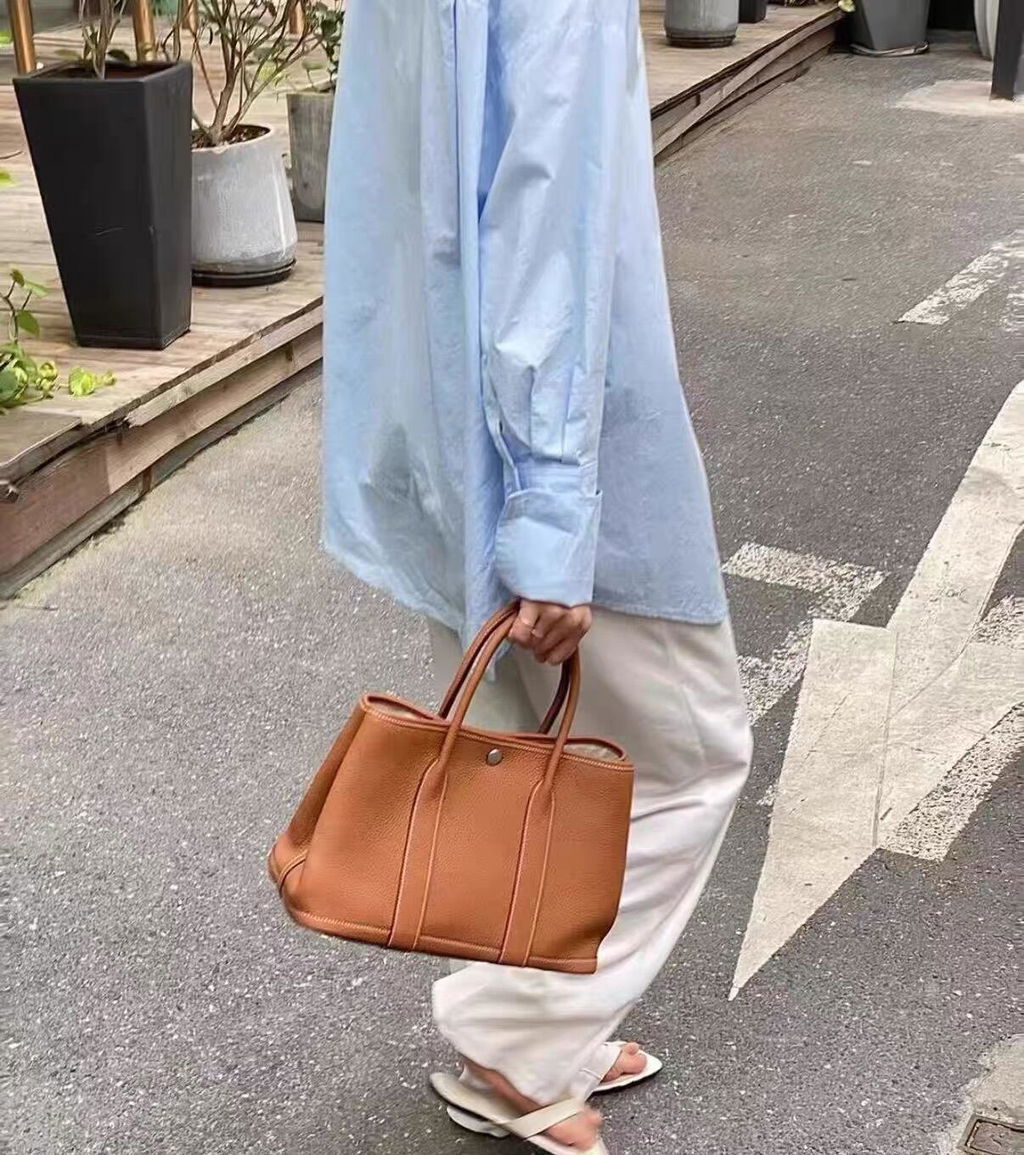
A handbag is not only a functional item; it is also a reflection of personal style and lifestyle. This is why many premium bag makers choose materials that can age beautifully and develop character.
Vegetable tanned leather is especially popular for handbags because it offers:
- A natural texture and appearance
- Excellent durability for daily use
- A unique aging process
- A handcrafted feel
- Long-term value
Unlike synthetic materials that may lose their appearance over time, vegetable tanned leather often becomes more attractive as it develops its own patina.
For those looking for handcrafted designs with natural textures, Dwarves Bags offers a selection of vegetable tanned leather bags that combine traditional craftsmanship with practical everyday style.

What Are the Disadvantages of Vegetable Tanned Leather?
Although vegetable tanned leather has many advantages, it also has some limitations.
1. It Requires More Care
Because vegetable tanned leather often has a more natural finish, it may be more sensitive to:
- Water marks
- Scratches
- Stains
- Extreme humidity
Regular conditioning can help maintain its appearance.
2. It May Feel Firm at First
New vegetable tanned leather is often stiffer compared with chrome tanned leather. However, many users appreciate how it gradually softens and adapts with use.
3. Natural Changes Are Expected
The color and texture of vegetable tanned leather will change over time. For some people, this aging process is the beauty of the material. For others, a more consistent appearance may be preferred.
How to Care for Vegetable Tanned Leather Bags
Proper care helps vegetable tanned leather stay beautiful, flexible, and durable for many years. A simple routine can make a big difference in how the leather ages over time.
1. Protect the Leather from Moisture
Vegetable tanned leather can absorb water more easily than heavily treated leather, so it is best to avoid heavy rain and prolonged exposure to moisture.
If the bag gets wet:
- Gently blot the surface with a soft, dry cloth
- Let it air dry naturally
- Keep it away from direct heat sources such as hair dryers or radiators
2. Condition the Leather Occasionally
Using a suitable leather conditioner from time to time can help keep the leather soft and prevent it from drying out.
Apply conditioner sparingly and always test it on a small area first to make sure it is suitable for your bag.

3. Store It Properly
Good storage helps preserve the shape and surface of the leather. When not in use:
- Keep the bag in a cool, dry place
- Use a dust bag for protection
- Avoid prolonged direct sunlight
- Do not store it near harsh chemicals or damp areas
4. Handle It with Care
Vegetable tanned leather develops character through use, but gentle handling helps it age more gracefully. Try to avoid unnecessary scratches, overfilling, or rough contact with abrasive surfaces.
With proper maintenance, a vegetable tanned leather bag can continue developing a rich patina and a beautiful appearance over time.
Is Vegetable Tanned Leather Worth the Price?
Vegetable tanned leather products are often more expensive than standard leather goods, but the higher price reflects several factors:
- Longer production time
- Traditional craftsmanship
- Natural tanning materials
- Higher attention to detail
- Long-lasting performance
For many buyers, the value is not only in owning a leather product but also in owning something that changes and grows with time.
A vegetable tanned leather bag is often considered a long-term purchase because it develops more character and beauty over years of use.
FAQ
Is vegetable tanned leather real leather?
Yes. Vegetable tanned leather is genuine leather made from animal hides. The difference lies in the tanning method, where natural plant-based tannins are used instead of synthetic tanning chemicals.
Does vegetable tanned leather last longer?
With proper care, high-quality vegetable tanned leather can last for many years. Its strong fibers and ability to develop a protective patina contribute to its durability.
Why does vegetable tanned leather change color?
The color changes because the leather naturally reacts with light, air, oils from your hands, and daily use. This process creates a unique patina that makes each piece different.
Is vegetable tanned leather eco-friendly?
Vegetable tanned leather is often considered a more natural leather option because it uses plant-based tannins and traditional methods. However, sustainability also depends on factors such as sourcing, production practices, and waste management.
How do you clean vegetable tanned leather bags?
Clean vegetable tanned leather gently with a soft dry cloth. Avoid harsh cleaners, excessive water, and strong chemicals. Regular conditioning can help preserve the leather's appearance.
Conclusion
Vegetable tanned leather is more than just a material; it represents a traditional approach to craftsmanship, natural beauty, and long-lasting design. Its ability to develop a unique patina, maintain durability, and age gracefully makes it a favorite choice for premium handbags and leather accessories.
For those who appreciate authentic materials and timeless style, a vegetable tanned leather bag is not simply something to use—it is something that becomes more meaningful over time.


Leave a comment