


What is Xiangyunsha Silk? A Guide to China’s Heritage Fabric

If you've recently explored Chinese-inspired fashion, handcrafted accessories, or heritage textiles, you may have come across Xiangyunsha Silk. Often called "Fragrant Cloud Silk," this unique fabric is one of China's oldest naturally dyed textiles and remains highly valued today.
Unlike conventional silk fabrics that rely on chemical dyes and industrial production, Xiangyunsha Silk is created through a labor-intensive process involving plant-based dyes, river mud, sunlight, and traditional craftsmanship. The result is a fabric that is beautiful, breathable, environmentally friendly, and deeply connected to Chinese cultural heritage.
This article takes a closer look at the origins of Xiangyunsha Silk, the traditional techniques used to create it, and the qualities that make it a sought-after material in contemporary fashion and luxury accessories.
What is Xiangyunsha Silk?

Xiangyunsha Silk is a traditional Chinese silk fabric that originated in the Pearl River Delta region of Guangdong Province. Its Chinese name, "Xiangyunsha" (香云纱), is often translated as "Fragrant Cloud Silk" due to its elegant appearance and unique production process.
What makes Xiangyunsha Silk truly special is its natural dyeing technique. It is one of the few silk fabrics in the world that is dyed using plant extracts and mineral-rich river mud instead of synthetic chemicals.
The fabric is typically made from high-quality mulberry silk and undergoes multiple rounds of dyeing, drying, and mud treatment. This process creates its distinctive appearance, often featuring a deep brown or black outer surface and a smooth, lustrous texture.
Today, Xiangyunsha Silk is widely regarded as a symbol of traditional Chinese craftsmanship and is valued for both its beauty and cultural significance.
The History Behind Xiangyunsha Silk
The history of Xiangyunsha Silk dates back several hundred years, with roots in southern China's river-based communities.
1. Origins in Southern China
The warm climate, abundant waterways, and fertile environment of Guangdong provided ideal conditions for silk production and natural dyeing. Local artisans gradually developed a unique process using the juice of the yam vine plant and mineral-rich river mud to enhance the durability and appearance of silk fabrics.
Over generations, this technique was refined and passed down through families and workshops, becoming a distinctive regional craft.
2. Cultural Heritage Status
Because of its historical importance and highly specialized production process, Xiangyunsha Silk has been recognized as an important element of China's intangible cultural heritage.
Today, artisans continue to preserve traditional methods while introducing Xiangyunsha Silk to a wider global audience through fashion, design, and cultural exhibitions.
How is Xiangyunsha Silk Made?
The production of Xiangyunsha Silk is a fascinating traditional textile process. Unlike modern fabrics that can be produced quickly, authentic Xiangyunsha Silk requires multiple stages of manual work and favorable weather conditions, often taking several months to complete.

Step 1: Preparing the Silk
The process begins with high-quality mulberry silk fabric. Before dyeing, the silk is carefully cleaned to remove impurities and ensure that it can absorb the natural dyes evenly.
Step 2: Extracting the Natural Dye
Artisans prepare a dye solution using the roots of Dioscorea cirrhosa, a tropical yam plant known locally as "shulang." The roots are crushed, soaked, and processed to release tannins, natural compounds that play a key role in the fabric's final color and texture.
Step 3: Repeated Dyeing and Sun Drying
The silk is dyed with plant extracts and dried under direct sunlight. This process is repeated multiple times, allowing the tannins to penetrate the fibers and gradually deepen the color. The repeated dyeing and drying also help improve the fabric's durability.
Step 4: Applying River Mud
After multiple dyeing cycles, artisans coat the silk with mineral-rich river mud. The minerals react with the tannins in the fabric, creating the distinctive dark brown or black color that Xiangyunsha Silk is known for.
Step 5: Final Sun Exposure and Finishing
Once coated with mud, the fabric is dried under the sun, sometimes through multiple cycles to achieve its characteristic appearance.
The silk is then washed and finished by hand, resulting in a distinctive sheen, rich texture, and naturally varied color.
Why Every Piece Is Unique
Because natural dyes, river mud, and sunlight are used throughout the process, each piece of Xiangyunsha Silk has slight variations in color and texture, making every fabric unique.

What Makes Xiangyunsha Silk Unique?
Many luxury fabrics are beautiful, but few combine craftsmanship, sustainability, and cultural heritage in the way Xiangyunsha Silk does.
|
Feature |
Xiangyunsha Silk |
Regular Silk |
|
Dyeing Method |
Natural plant dye |
Often chemical dyes |
|
Production |
Handmade |
Usually industrial |
|
Sustainability |
High |
Moderate |
|
Cultural Heritage |
Significant |
Limited |
|
Appearance |
Naturally varied |
Uniform |
|
Rarity |
High |
Common |
Several characteristics contribute to its reputation:
● Naturally dyed without synthetic chemicals
● Breathable and comfortable in warm weather
● Rich texture that develops character over time
● Unique color variations created by traditional techniques
● Strong connection to Chinese cultural heritage
● Environmentally conscious production process
These qualities make Xiangyunsha Silk appealing not only to fashion enthusiasts but also to consumers seeking sustainable and meaningful products.
Common Uses of Xiangyunsha Silk
Although Xiangyunsha Silk originated centuries ago, it continues to find new applications in contemporary fashion and design.
Traditionally, the fabric was used for garments designed to remain comfortable in southern China's humid climate. Today, it is commonly found in:
● Dresses
● Jackets
● Scarves
● Home décor accents
● Luxury accessories
● Designer handbags
The growing popularity of heritage-inspired fashion has also encouraged designers to incorporate Xiangyunsha Silk into modern accessories. Some brands use the fabric to highlight traditional Chinese aesthetics while creating products suitable for everyday use.
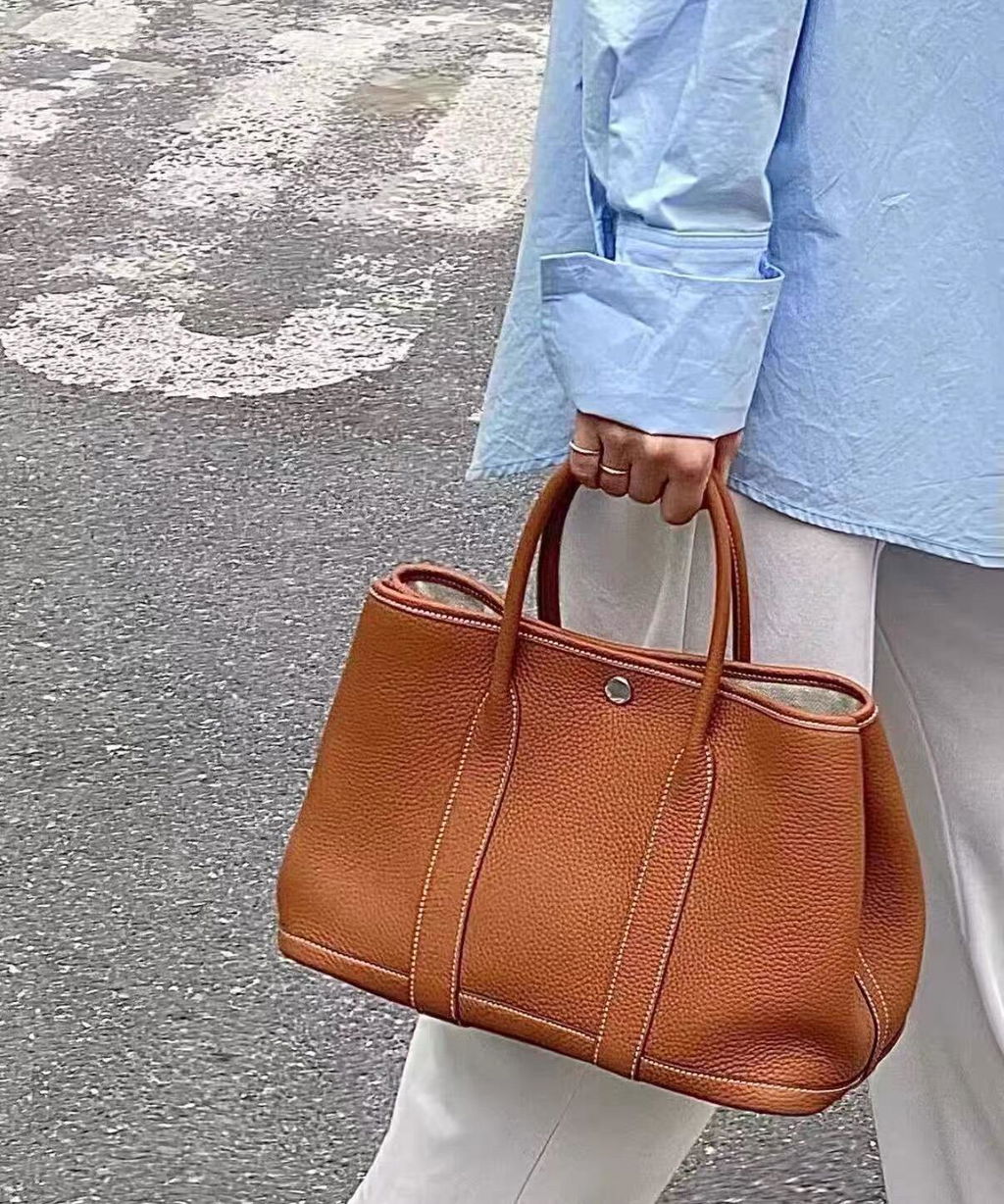
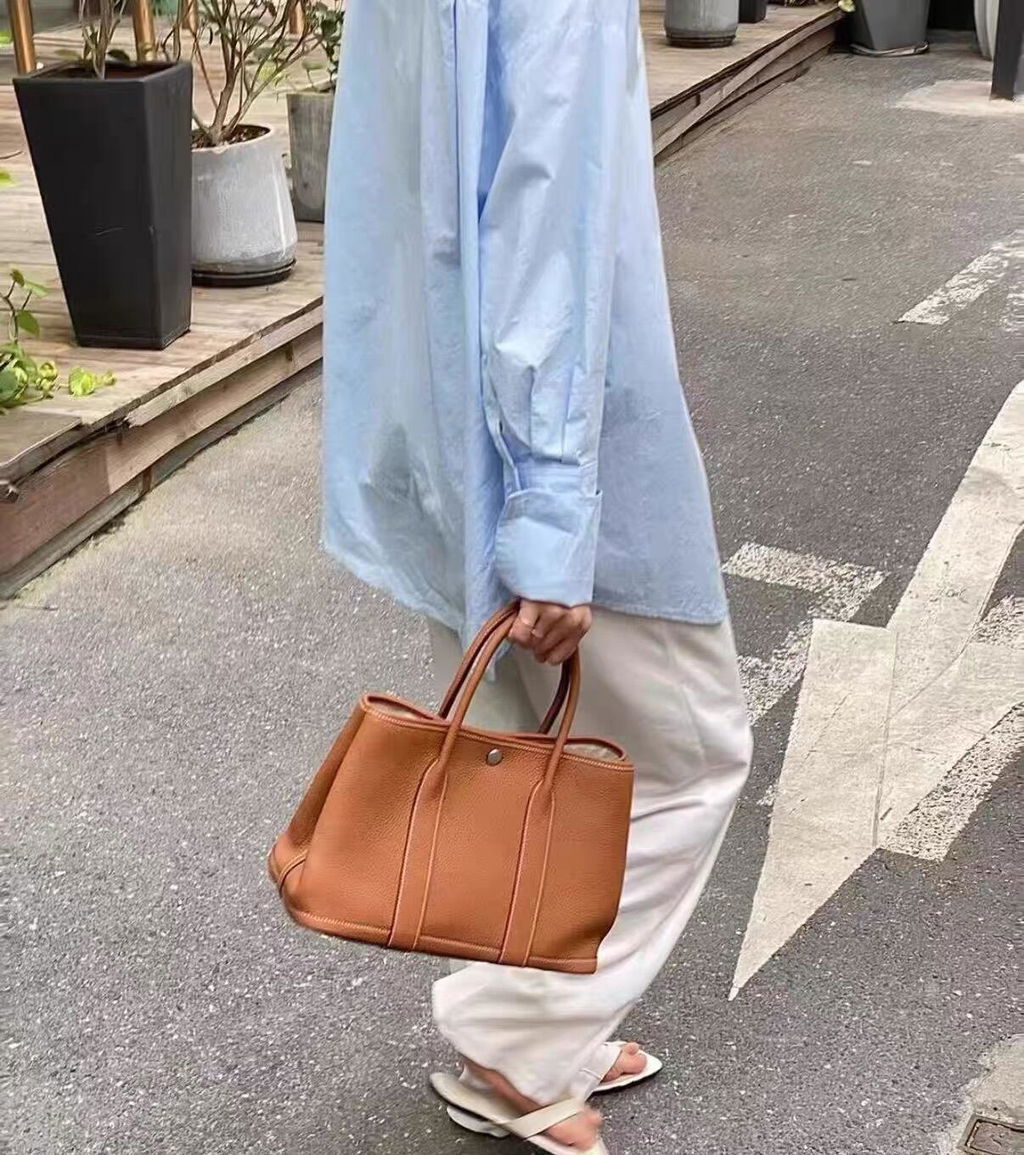
For example, selected collections from Dwarves Bags feature Chinese-style handbag designs inspired by traditional craftsmanship, combining heritage materials and timeless silhouettes with practical functionality for modern lifestyles.

How to Care for Xiangyunsha Silk
Proper care can help preserve the beauty and longevity of Xiangyunsha Silk products.
Cleaning and Storage Tips
● Hand wash gently with mild detergent when necessary.
● Avoid harsh chemicals and bleach.
● Do not scrub aggressively.
● Dry naturally in a shaded area.
● Store in a cool, dry environment.
● Keep away from prolonged direct sunlight.
● Avoid folding along the same crease for long periods.
Because Xiangyunsha Silk is naturally dyed, gentle care helps maintain its texture and color while preserving the integrity of the fabric.
FAQ
Is Xiangyunsha Silk real silk?
Yes. Xiangyunsha Silk is made from genuine silk, most commonly mulberry silk. What distinguishes it from ordinary silk fabrics is its traditional natural dyeing process involving plant extracts and river mud.
Why is Xiangyunsha Silk expensive?
The fabric requires extensive manual labor, multiple dyeing cycles, natural drying, and specialized craftsmanship. The production process can take weeks, making it far more time-consuming than mass-produced textiles.
Is Xiangyunsha Silk environmentally friendly?
Compared with many conventionally dyed fabrics, Xiangyunsha Silk is considered more environmentally friendly because it relies heavily on natural materials, plant-based dyes, and traditional production techniques.
Does Xiangyunsha Silk fade over time?
Like many naturally dyed textiles, slight changes in color may occur over time. However, many enthusiasts view this as part of the fabric's natural beauty and character rather than a flaw.
Is Xiangyunsha Silk suitable for handbags?
Yes. Its durability, distinctive appearance, and cultural significance make it an excellent material for heritage-inspired handbags and luxury accessories. Many designers appreciate its ability to add authenticity and uniqueness to their creations.
Conclusion
Xiangyunsha Silk is more than just a fabric—it is a centuries-old Chinese textile tradition that combines natural dyeing, river mud treatment, skilled craftsmanship, and cultural heritage. Valued for its unique appearance, sustainability, and versatility in clothing, accessories, and heritage-inspired handbags, it continues to appeal to modern consumers seeking authenticity, quality, and timeless design.


Leave a comment