


What Is Full Grain Leather? A Complete Guide to Understanding Leather Quality

Leather terminology can be confusing. Terms like full grain leather, genuine leather, and vegetable tanned leather are often used together, but they describe different aspects of how leather is made. So, what is full grain leather, and why do many leather enthusiasts value it? Understanding how the grain surface is preserved, how leather is processed, and what affects long-term quality can help you make a better choice when buying a leather bag.
Quick Answer: What Is Full Grain Leather?
Full grain leather is leather that keeps the natural grain surface of the hide without sanding or mechanical correction. It preserves unique textures and markings that can develop a natural patina over time. While it is valued for its character and durability, the quality of a leather product also depends on tanning, craftsmanship, construction, and finishing.
Table of Contents
- What Is Full Grain Leather?
- How Is Full Grain Leather Made?
- Full Grain Leather vs Other Leather Types: What Actually Makes It Different?
- Why Does Full Grain Leather Develop Patina?
- Full Grain Leather and Vegetable Tanning: Are They the Same?
- How to Choose a Full Grain Leather Bag?
- How to Care for Full Grain Leather?
- FAQ
What Is Full Grain Leather?
Full grain leather refers to leather that has kept its complete natural grain surface. Unlike corrected or heavily processed leather types, it preserves the outer layer of the hide where the natural texture and characteristics of the animal’s skin remain visible.
The term “full grain” does not describe a specific animal, color, or tanning method. Instead, it describes how much of the original grain surface remains after processing.
For leather buyers, this distinction matters because the surface of the leather has a major influence on its appearance, texture, and aging process.
The Definition of Full Grain Leather

Leather begins as animal hide, which contains several layers with different structures. The outermost layer is known as the grain layer, and it contains the natural pattern of the skin, including pores, fibers, and unique markings. When leather is classified as full grain, this grain layer remains intact, meaning the surface has not been mechanically altered to remove its natural characteristics or create a completely uniform appearance.
According to terminology used by the Leather Working Group, full grain leather refers to leather where the original grain surface has been retained without corrective mechanical treatment. This definition focuses on the preservation of the surface rather than simply describing leather as “premium” or “luxury.”
This is an important distinction because many marketing terms used in the leather industry can be interpreted differently. Understanding the actual meaning behind the terminology helps consumers make more informed decisions.
Understanding the Grain Layer of Leather
The grain layer is one of the strongest and most distinctive parts of a hide. It contains a dense fiber structure that contributes to leather’s natural strength and appearance.
When manufacturers create other leather types, the surface may be altered to achieve a smoother or more consistent look. This can include sanding, buffing, or applying additional finishes.
Full grain leather keeps more of the original character of the hide. This means that each piece may look slightly different because no two hides are exactly the same.
For handmade leather goods, this natural variation is often considered part of the material’s beauty rather than something to eliminate.
Why Natural Marks Are Part of the Material
One common misconception is that high-quality leather should always look perfectly smooth and flawless.
In reality, natural full grain leather may include:
-
subtle wrinkles;
-
variations in color;
-
natural grain patterns;
-
small healed marks from the animal’s life.
These characteristics are not necessarily signs of poor quality. They are often evidence that the surface has not been heavily corrected.
Experienced leather makers and enthusiasts often appreciate these details because they give each piece a unique identity. A full grain leather bag may develop a slightly different appearance from another bag made from the same type of leather, creating a more personal connection between the owner and the product.
How Is Full Grain Leather Made?
Understanding how full grain leather is produced helps explain why it is valued by many leather craftsmen. The difference is not only about the raw material itself, but also about how much of the original hide remains visible throughout production.
A high-quality leather product is the result of several decisions, including hide selection, tanning, finishing, and craftsmanship.
From Raw Hide to Finished Leather

Leather production involves multiple stages before it becomes a finished bag or accessory.
The general process includes:
-
Selecting and preparing hides;
-
Removing unwanted materials;
-
Tanning the leather to preserve it;
-
Adding color and finishing treatments;
-
Cutting and assembling the final product.
The tanning process plays an important role because it determines how the leather feels, reacts to use, and changes over time.
Different tanning methods create different characteristics. Vegetable tanning, for example, uses natural tannins derived from plants and is traditionally associated with leather that develops a deeper character as it ages.
However, vegetable tanning and full grain leather describe different things. Full grain explains the condition of the grain surface, while vegetable tanning explains the tanning method.
What “Uncorrected Grain” Really Means
The phrase “uncorrected grain” is often used when discussing full grain leather. This does not mean the leather is unfinished or untreated. Full grain leather can still be:
-
dyed;
-
conditioned;
-
protected with finishes;
-
prepared for specific product requirements.
The important difference is that manufacturers do not remove the natural grain surface through corrective mechanical processes, which requires careful material selection because natural marks remain visible; instead of hiding these variations, makers work with the leather’s natural characteristics.
Full Grain Leather vs Other Leather Types: What Actually Makes It Different?

Leather terminology is one of the most confusing parts of buying leather products, and many people search for comparisons to understand whether full grain leather is truly better than other options. The answer is more nuanced than a simple ranking system because different leather types serve different purposes, and the best choice depends on appearance preferences, usage, and expectations.
Full Grain vs Top Grain Leather
Full grain leather and top grain leather both come from the upper portion of the hide, but the main difference is how the surface is treated.
Top grain leather is not necessarily low quality, and many consumers prefer it for its more uniform appearance and smoother finish, while full grain leather is often chosen by people who appreciate natural texture and the way the material changes through years of use.
Full Grain vs Genuine Leather
“Genuine leather” is one of the most misunderstood terms in the leather industry.
Many consumers assume genuine leather means the highest-quality leather available. However, the term mainly indicates that the product contains real leather. It does not explain where the leather comes from, how it was processed, or how durable the final product will be.
A genuine leather label alone does not tell you:
-
whether the grain surface was preserved;
-
what tanning method was used;
-
how the product was constructed.
This is why understanding terms like full grain leather meaning can help buyers evaluate products more carefully. If you want to learn more about the differences between full grain leather and genuine leather, read our detailed guide: https://dwarvesbags.com/blogs/leathercraft/full-grain-leather-vs-genuine-leather
Full Grain vs Corrected Grain and Split Leather
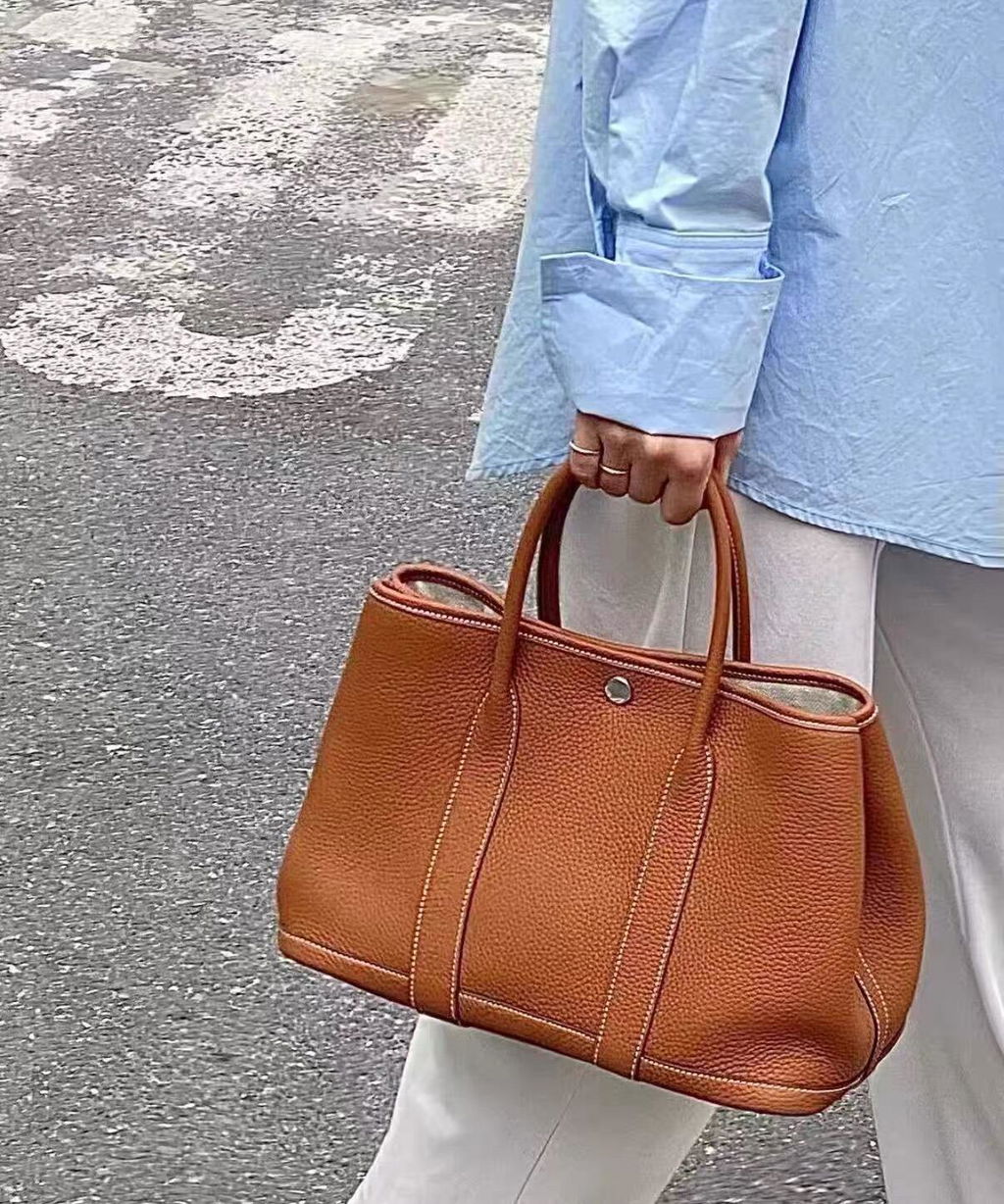
Full grain leather preserves the hide’s natural grain surface with minimal mechanical correction. Its original texture, pores, and natural markings remain visible, allowing the leather to develop a distinctive patina over time. Because the surface is left largely intact, each piece may have slight variations in appearance.
Corrected grain leather is mechanically processed to create a more uniform surface. Manufacturers may sand or buff away natural marks before applying pigments, embossing, or protective finishes. It usually looks smoother and more consistent than full grain leather, but it retains less of the hide’s original character.
Split leather comes from the lower layers of the hide after the stronger grain layer has been separated. It generally has a looser fiber structure and may be finished with coatings or embossed patterns to resemble higher-grade leather. Split leather can be practical and affordable, but it typically does not offer the same natural texture, strength, or patina potential as full grain leather.
These leather types can have practical uses depending on the product. The important point is not that one category is always unsuitable, but that consumers should understand what characteristics they are paying for.
What Full Grain Leather Does and Does Not Guarantee
Full grain leather offers several qualities that attract leather enthusiasts:
-
natural appearance;
-
visible texture;
-
strong fiber structure;
-
potential for developing patina.
However, the term itself does not guarantee every aspect of product quality. Full grain leather does not automatically mean:
-
the product is handmade;
-
the leather is ethically sourced;
-
the bag is waterproof;
-
the construction is excellent;
-
the design will suit every lifestyle.
A poorly constructed bag made from full grain leather may not perform as well as a carefully designed product made with another leather type, because the leather itself is only one part of the equation; stitching quality, hardware, interior construction, and attention to detail all influence the final experience.
Why Does Full Grain Leather Develop Patina?

One of the biggest reasons people choose full grain leather bags is the way the material changes over time; unlike synthetic materials designed to maintain the same appearance, natural leather can develop a visual history through everyday use.
What Is Leather Patina?
Patina refers to the gradual changes that appear on leather as it ages.
These changes may come from:
-
natural oils from your hands;
-
exposure to sunlight;
-
regular handling;
-
friction during daily use.
Over time, leather may become softer, darker, or develop richer tones, while the exact appearance of patina depends on many factors, including the tanning process, finishing methods, and how the product is cared for.
Why Patina Makes Each Bag Unique
For many leather lovers, patina represents something more meaningful than simple aging, as a regularly used leather bag becomes connected to its owner through marks and color changes that reflect personal experiences, travels, and everyday routines.
This is why traditional leather products often appeal to people who value longevity and individuality. Instead of looking outdated after years of use, a well-made leather bag can develop more character.
Full Grain Leather and Vegetable Tanning: Are They the Same?

Many buyers discover both “full grain leather” and “vegetable tanned leather” while researching handmade leather goods. Although these terms often appear together, they describe different parts of leather production. If you want to learn more about vegetable tanned leather, read our detailed guide: https://dwarvesbags.com/blogs/leathercraft/what-is-vegetable-tanned-leather
Grain Describes the Surface, Tanning Describes the Process
Full grain describes how much of the natural grain surface remains.
Vegetable tanning describes how the leather is processed.
A leather product can be:
-
full grain but not vegetable tanned;
-
vegetable tanned but not necessarily full grain.
Understanding this difference prevents a common misunderstanding when comparing leather products.
Why Traditional Vegetable Tanning Appeals to Leather Lovers
Vegetable tanning has been used for centuries in leather craftsmanship. The process uses natural tannins from plant sources and is appreciated by many makers for the way it allows leather to maintain a natural feel.
At Dwarves Bags, all of our vegetable-tanned leather bags are made from full grain leather. This means the natural grain surface of the hide is preserved without being sanded or mechanically corrected, allowing the leather to retain its original texture, character, and natural variations.

For buyers interested in traditional materials and handcrafted details, Dwarves Bags’ Vegetable-Tanned Leather Collection combines full grain leather with timeless silhouettes and thoughtful craftsmanship. Each bag is designed to preserve the natural beauty of the leather while allowing it to develop a distinctive patina and more personal character through everyday use.
How to Choose a Full Grain Leather Bag?
Once you understand what full grain leather means, the next step is learning how to evaluate a finished product, because a quality leather bag is not defined by one material label alone; the best products combine good materials with thoughtful construction and practical design.
Look Beyond the Leather Label
When choosing a full grain leather bag, consider:
-
Is the leather description clear and specific?
-
Does the maker explain the tanning process?
-
Are natural variations visible?
-
Does the product information describe construction details?
Brands that understand leather usually explain the material instead of relying only on words like “premium” or “luxury.”
What Determines the Durability of a Leather Bag?
Leather durability depends on more than the grain type.
Important factors include:
-
leather thickness;
-
stitching strength;
-
edge finishing;
-
hardware quality;
-
interior structure;
-
daily usage.
A carefully constructed bag can remain functional and attractive for many years when properly maintained.
Choose Leather That Matches Your Lifestyle
Different users have different expectations.
Some people prefer leather that maintains a clean and consistent appearance. Others enjoy materials that gradually develop a more personal look.
Before purchasing, consider whether you prefer:
-
a polished everyday accessory;
-
a softer casual bag;
-
a material that changes and ages naturally.
The right leather choice depends on how you want the product to fit into your life.
How to Care for Full Grain Leather?

Full grain leather is valued because of its natural characteristics, but proper care helps maintain its appearance.
Everyday Leather Care
Simple maintenance is usually enough:
-
wipe away dust with a soft cloth;
-
store the bag in a dry environment;
-
avoid unnecessary exposure to moisture;
-
apply suitable leather conditioner when needed.
Natural leather often benefits from minimal and careful maintenance.
What to Avoid
Avoid:
-
harsh cleaning chemicals;
-
excessive water exposure;
-
extreme heat;
-
over-conditioning.
Good leather care is about preservation, not trying to prevent every natural change.
FAQ
Is full grain leather good quality?
Full grain leather is often considered a high-quality leather option because it preserves the natural grain surface. However, the final quality of a leather product also depends on tanning, craftsmanship, construction, and finishing.
Is full grain leather better than genuine leather?
Full grain leather and genuine leather describe different things. Full grain refers to the condition of the leather surface, while genuine leather is a broader term that does not indicate a specific quality level.
Does full grain leather scratch easily?
Because the natural surface remains visible, full grain leather may show scratches more easily than heavily corrected leather. Many owners appreciate these marks because they can become part of the leather’s character.
Is vegetable tanned leather always full grain?
No. Vegetable tanning describes the tanning process, while full grain describes the condition of the grain surface. They are related concepts but are not the same.
Is full grain leather worth the price?
For buyers who appreciate natural materials, craftsmanship, and products that develop character over time, full grain leather can be worth considering. The value depends on the quality of the entire product, not only the leather label.
Conclusion: Choosing Leather With Character
Full grain leather is more than a description on a product page. It represents a way of preserving the natural character of leather while allowing the material to develop its own story over time.
When choosing a leather bag, look beyond the label and consider the complete picture: the leather, the tanning method, the craftsmanship, and the design.
For those who appreciate natural materials, traditional skills, and timeless products, full grain leather offers something beyond appearance — a material that becomes more personal with every journey.


Laissez un commentaire